

Interweaving: Textiles Between Britain and the Balkans
09 Nov 26 — 21 Jan 27
Exhibition
Venue: Deptford Town Hall Building, Constance Howards Gallery
Exploring how textiles connect Britain and the Balkans through identity, memory, migration and diaspora.Interweaving: Textiles Between Britain and the Balkans is an exhibition curated by bunar, an artistic and curatorial initiative co-founded by Arbër Qerka-Gashi (Balkanism) and Jelena Sofronijevic (EMPIRE LINES).
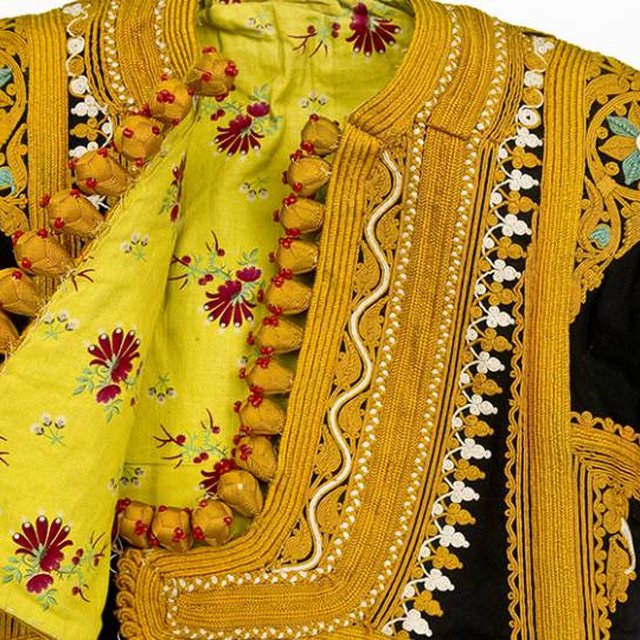
The exhibition invites audiences to consider the significant and interconnected roles that clothing, fabric and textiles play in the formation, expression and cultivation of identity among Balkan diaspora communities in Britain. Across the Balkans, textiles and material culture have long occupied an important place in both everyday and ceremonial life, reflecting local environments, traditions and practices while bearing the imprint of centuries of indigenous, regional and imperial influences.
This material culture, when moved into a diasporic context, takes on new meanings, serving as markers of belonging, memory, and continued identity. Carried across borders and generations, they can sustain connections to people, places and cultural practices while also providing ways of negotiating identity in the context of migration and displacement. Interweaving explores these material relationships across time and geographies, bringing Britain and the Balkans into dialogue through the fabrics, garments, contemporary art, archives, memories and practices that connect them.
Drawing on the Goldsmiths Textile Collection, bunar’s archive, contemporary artistic practices, and the voices of British Balkan diaspora communities, the exhibition opens up an ongoing conversation about the relationships diaspora communities forge with, and through, material culture.
With: Albert Kahn Archive, Ante Babaja, Diane Waller, Dušan Makavejev, Jagoda Buić, Jane Page, Janet Anderson, Janis Jefferies, Jasmina Cibic, Judith Raum, Mary Edith Durham, Wanda Mills, Unrecorded Textile Makers and Workers.
Supported by Counterpoints.